The Cost of the Drive
Sixty-eight miles, twice a day. One line cook did the math on what the commute really costs — not in gas, in daylight.
Aspen Valley News · First Tracks
Tomas leaves Rifle at five-forty in the morning, in the dark, and he does not see the sun until he is most of the way up the valley. He has made the drive so many times he no longer counts the mile markers. He counts the light. Dark when he leaves. Grey by New Castle. Pink on the Glenwood cliffs if the timing is right. Full daylight by the time Highway 82 straightens out toward Aspen and the kitchen he cooks in for eleven hours before he turns the truck around and drives home in the dark again.
Everyone in the valley knows a Tomas. Maybe you are one. The teacher in Silt, the nurse in Rifle, the framer in New Castle, the whole down-valley workforce that keeps Aspen and Snowmass running and cannot afford to sleep within an hour of the job. The trade is simple and brutal: cheaper rent down low, bought with time on the road. Most people make that trade without ever pricing it. They know the gas hurts. They have never added up the rest.
So one winter Tomas did.
The number nobody runs
What sixty-eight miles actually costs
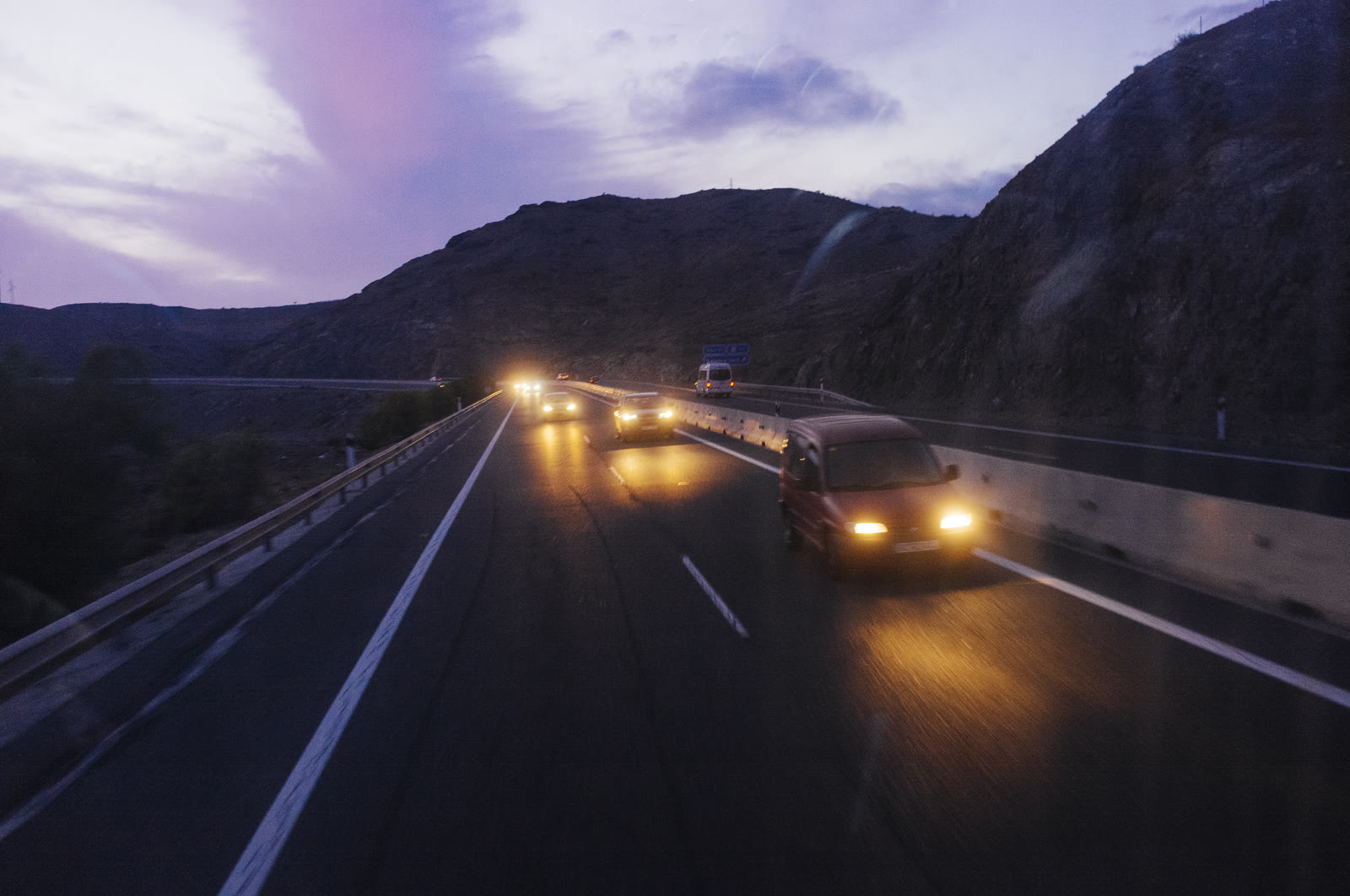
Rifle to Aspen is sixty-eight miles on CO-82. On a clean day it is about an hour and twenty. On a real one — snow, the S-curves, the merge where three lanes become the whole valley's patience — it runs closer to an hour and forty. Call it ninety minutes each way and you are being honest and a little kind to the road.
Ninety each way is three hours a day. Five days a week, and Tomas works more than five. Give him a conservative forty-eight working weeks a year and the arithmetic stops being abstract:
About seven hundred and twenty hours a year in the truck.
That is thirty full days — thirty times twenty-four hours — sitting on Highway 82. Put it in waking hours and it is closer to ninety ordinary days, three months of daylight, spent going back and forth to a job he already worked.
But Tomas does not measure his life in hours. He measures it, like most people who move here, in days on the mountain. So he ran the number the only way that meant anything to him. A good ski day is four, maybe five hours on snow. Seven hundred and twenty hours in the truck, divided by four and a half, is not a small number.
It is about a hundred and sixty ski days. A season is maybe a hundred and twenty.
He was spending more than a full winter of daylight, every year, watching the same guardrail go by.
I didn't move here to watch the road. I moved here for what's next to it.
The deliberate trade
What the number changed
Here is the part that is not a lecture. Tomas did not move to Aspen. He could not, and the math does not pretend he could. What he did was smaller and smarter. He moved from Rifle to Carbondale — still down valley, still real rent, but forty minutes off the drive each way.
Forty minutes each way is eighty minutes a day. Over the same working year, that is roughly three hundred and twenty hours handed back to him. Seventy-plus ski days' worth of daylight, bought not with a raise he was never going to get, but with a decision he could actually make. He pays more in rent. He ran that number too. Against the hours, it was not close.
That is the whole move. Not "afford Aspen." Not "give up and leave." Just: price the drive in the currency that actually matters to you, and then refuse to pay more of it than you have to.
The morning after his first full week in the new place, Tomas got up in the dark out of habit, and realized he did not have to. He made coffee. He drove twenty-five minutes instead of ninety. He clicked into his skis and made a few laps before his shift, on a Tuesday, because the hours were suddenly his to spend.
The commute is the tax almost everyone in this valley pays and almost no one prices. You do not have to eliminate it. You just have to know what it costs — in the only currency you moved here for — and then buy back every hour of daylight you can.
More in the bank means more days outside. Sometimes the bank is time, and the deposit is just a shorter drive.
- First Tracks
- Roaring Fork Valley