Insights
The locals' math on a season pass
The pass isn't an expense. It's the cheapest cost-per-day you'll ever buy — if you actually go.
David Paterni · June 15, 2026 · 4 min read
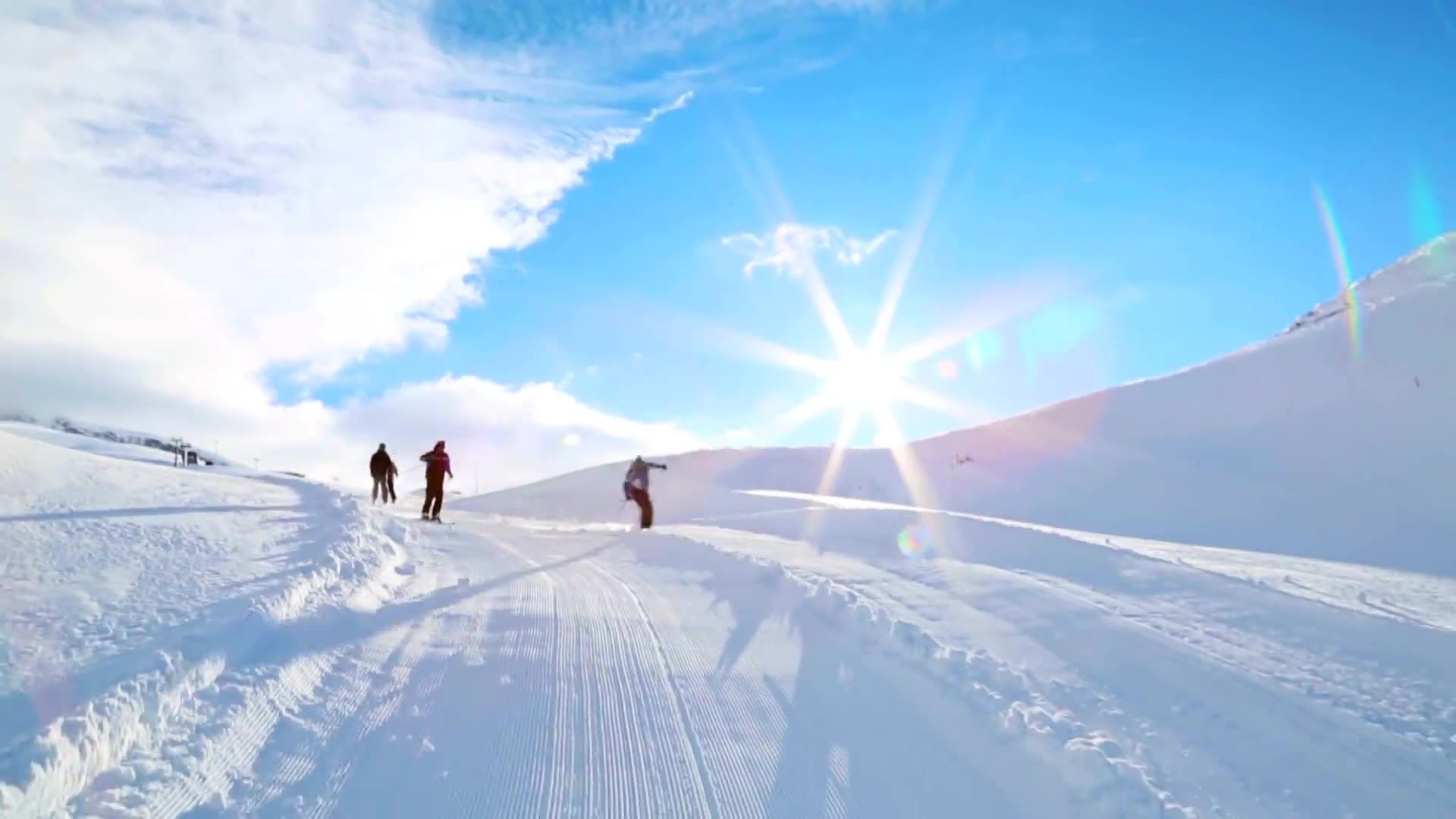
Every October the same number lands in your inbox and your stomach drops a little. The season pass renewal. A four-figure line item, due before a single flake has fallen, for a winter you can't yet see.
So most people do the thing that feels responsible: they hesitate. They tell themselves they'll "see how the season shapes up," buy day tickets when conditions are good, and keep their options open. It feels like the careful move. It's almost always the expensive one.
Here's the math nobody runs at the register. A pass is a fixed cost. A day ticket is a variable cost. The entire game is how many days you put against the fixed number. Say the pass runs you somewhere north of a thousand dollars — plug in your real figure, you know it better than I do. Day tickets at the window are now genuinely brutal; call it a couple hundred dollars on a good-weather Saturday. Divide.
Ski the pass ten days and you've paid more per day than you'd have spent on tickets. Ski it thirty and your cost-per-day quietly drops below what a single window ticket costs. Ski it the way locals actually ski — the dawn lap before work, the half-day when the light goes flat, the "I'll just take one run" that becomes four — and the number gets almost embarrassing. Thirty bucks a day. Twenty. Less.
But the cost-per-day spreadsheet, satisfying as it is, isn't the real return. The real return is behavioral, and it's worth more than the dollars. When the day is already paid for, you go. You go on the marginal Tuesday morning when the snow is fine, not epic. You go for ninety minutes because ninety minutes is free now. You stop doing the little internal cost-benefit calculation at the bottom of every lift — is today worth two hundred dollars? — because today is worth nothing extra. The pass doesn't just lower your cost per day. It removes the toll booth between you and the mountain, and that toll booth is the single biggest reason people who live twenty minutes from world-class terrain somehow ski eight days a year.
This is the whole thesis of this place, in one purchase. The money question and the lifestyle question are the same question. You didn't move here to optimize a brokerage account. You moved here for the days. The pass is the instrument that converts a sum of money — money that would otherwise sit there being theoretically responsible — into the actual thing you came for. More days outside. The math just happens to agree.
A few honest caveats, because this isn't a sales pitch. If you genuinely ski under ten days a year, day tickets win and you should buy them without guilt. Know your real number — look at last season honestly, not aspirationally. If cash flow in October is the problem rather than the total, most passes have payment plans now, and a pass you can stretch over a few months is a very different decision than one you have to clear in one hit. And the pass that's right for you depends on where you actually ride; the cheapest cost-per-day is the one tied to the mountain you'll show up to on a whim, not the one with the most logos on it.
Run your own version of this. If you want to see the number instead of trusting mine, the cost-per-day calculator will do the division for you — punch in your pass price and your honest day count and watch where the line crosses. The answer is usually: buy the pass, then go enough to make it look cheap. That's the move. Money in service of the lifestyle.